Story Line
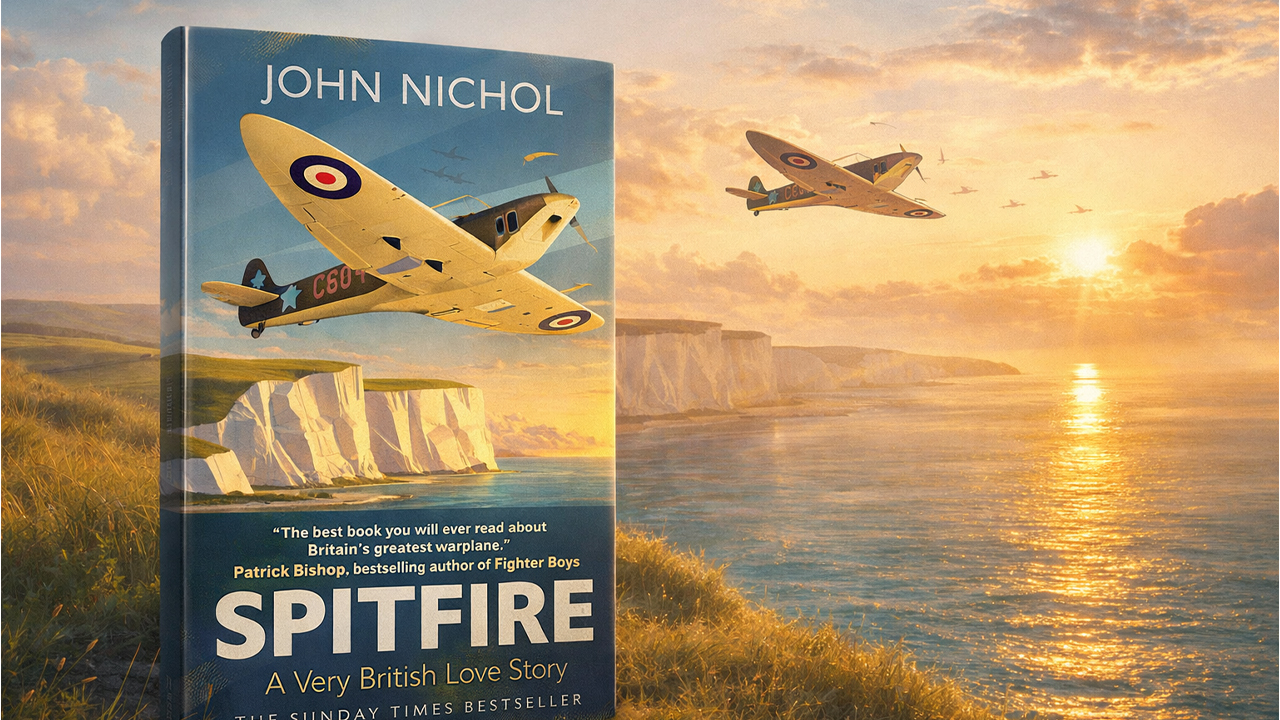
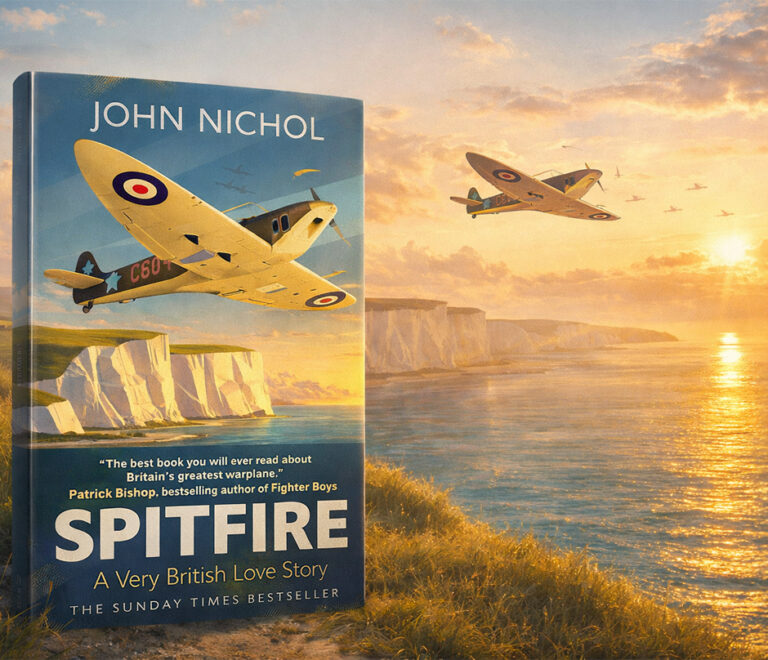
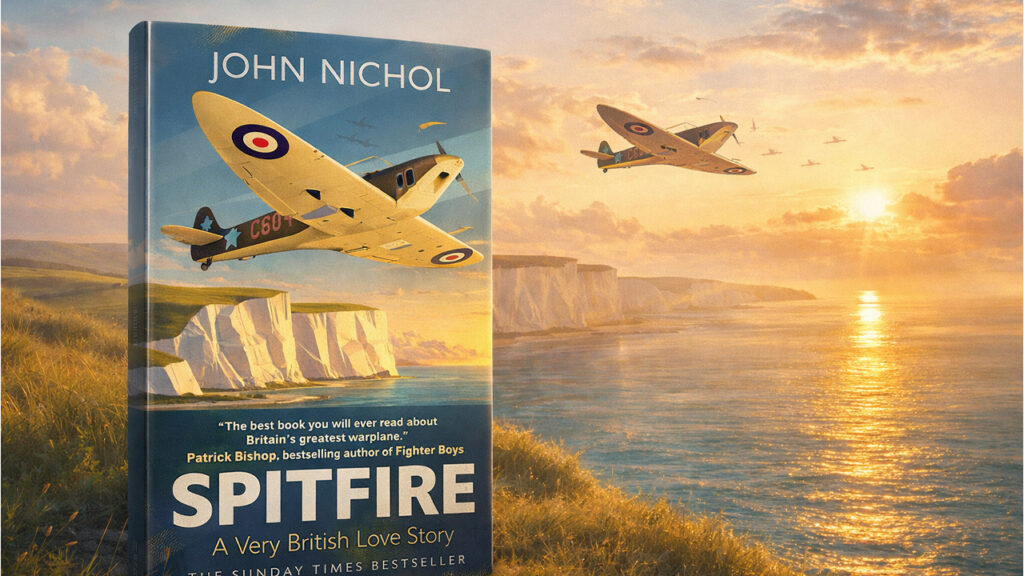
There are books about machines… and then there are books about what those machines meant to the men who flew them. Spitfire by John Nichol is very much the latter.
At first glance, you might expect a technical history of one of the most iconic aircraft ever built. And yes, the Spitfire is here—its design, its evolution, its performance in combat. But what Nichol does so well is remind you that this airplane was never just metal and engineering. It was a lifeline, a weapon, and sometimes the only thing standing between a young pilot and the end of everything.
Nichol, himself a former RAF pilot, writes with a kind of authority that doesn’t need to announce itself. His tone is steady, respectful, and grounded—qualities that will resonate with readers who appreciate substance over flash. He brings together personal accounts, combat experiences, and historical context in a way that feels both informative and deeply human.
What stands out most are the men behind the controls. Many were barely out of their teens, yet carried a level of responsibility that most people never face in a lifetime. There’s courage here, certainly—but also fear, fatigue, and the quiet discipline required to go back up again after seeing what could happen.
For readers over 50, especially in the U.S. and U.K., this book offers something more than history. It offers perspective. It speaks to the idea of duty—doing what needs to be done, not because it’s easy, but because it matters.
There’s no unnecessary dramatics. No overstatement. Just a clear-eyed look at a remarkable aircraft and the men who gave it meaning.
Spitfire is not just about flight. It’s about character. And that’s what makes it worth your time.