Story Line
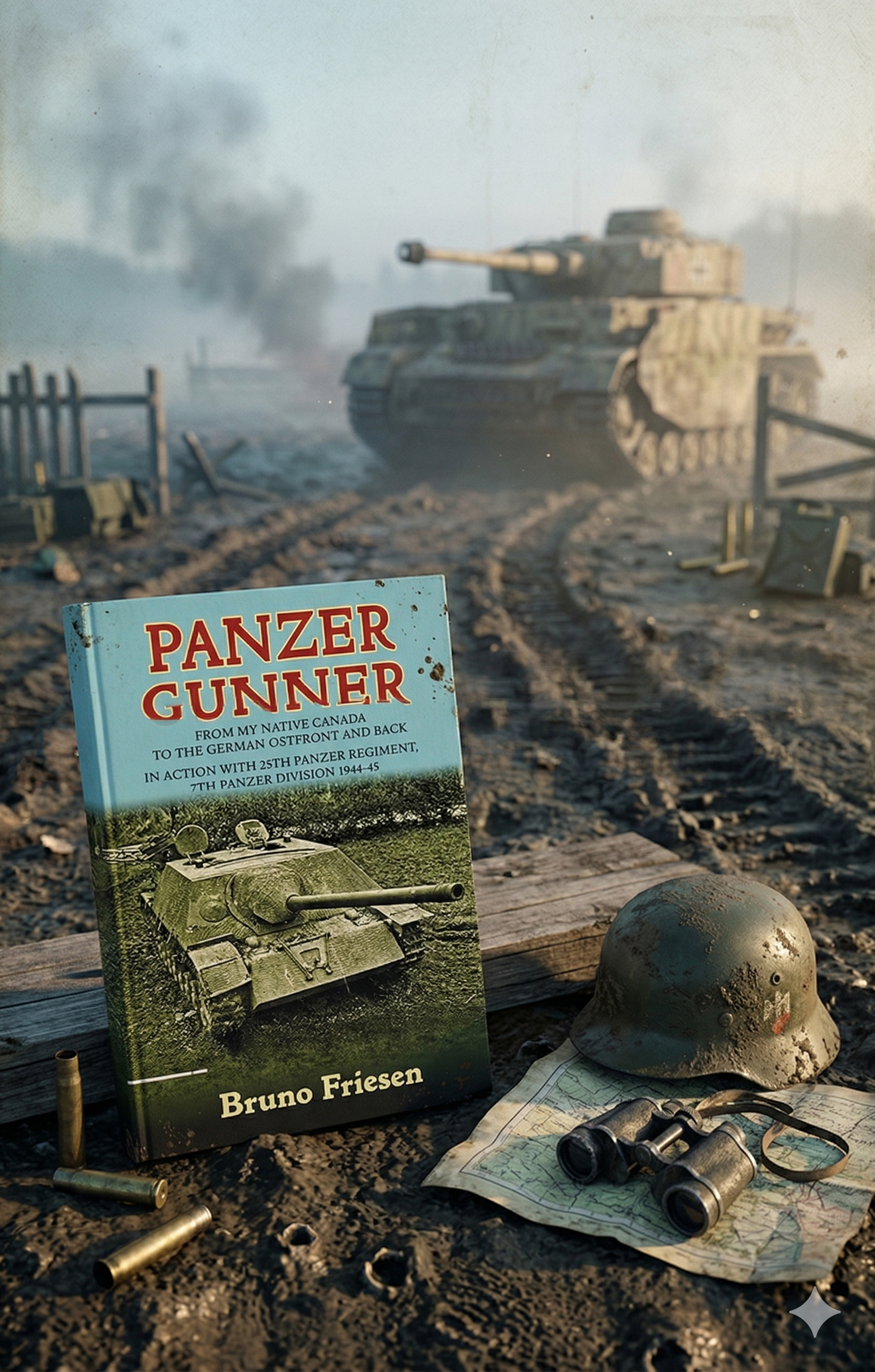
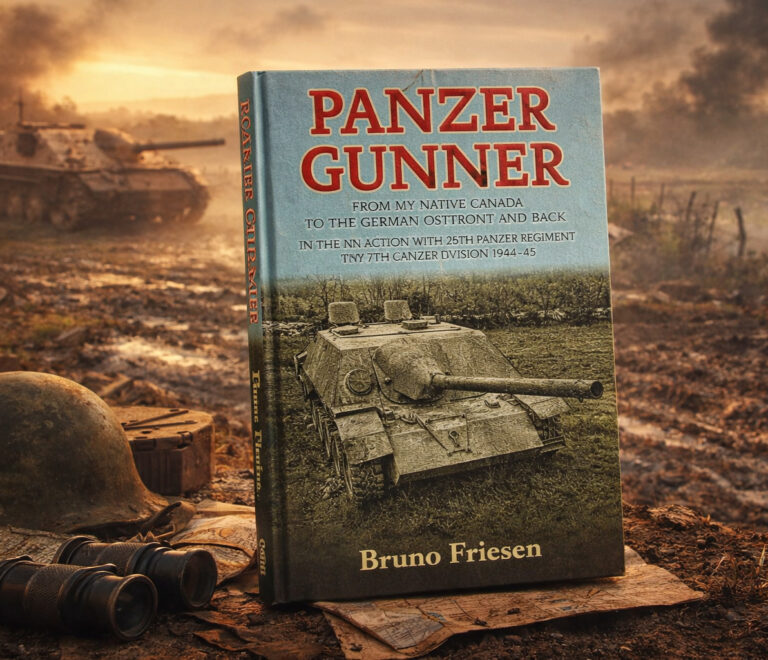
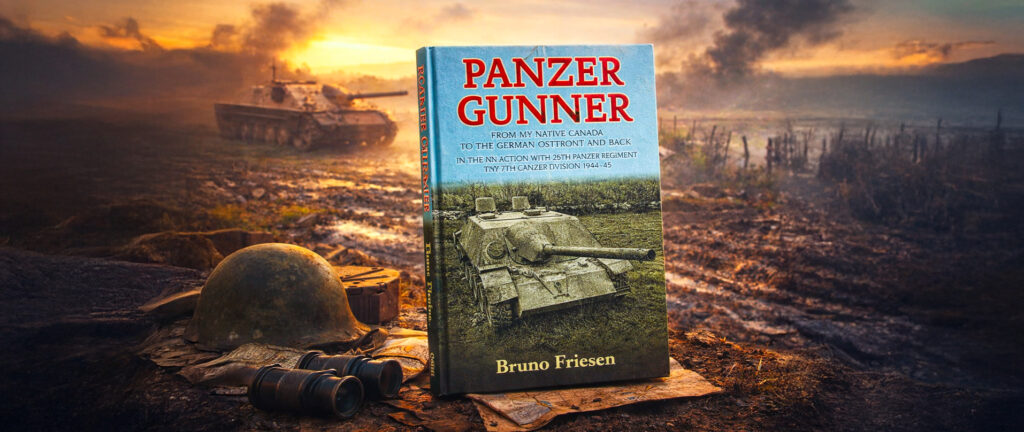
Few war memoirs dive as deeply into the final, desperate year of the Eastern Front as Bruno Friesen’s Panzer Gunner. What makes this account extraordinary is its author’s background: born in Canada to Mennonite parents from Ukraine, Friesen was Canadian by birth, German by heritage, and fated to fight in history’s most brutal theater.
In 1939, the Friesen brothers left Canada for Germany in search of a “better life” — but destiny had other plans. Drafted into the Wehrmacht in 1942, Bruno found himself behind the guns of the mighty Panzer IV and later the deadly Jagdpanzer IV. Few writers have documented so vividly what it was like to serve inside these machines — the smell of oil and metal, the chaos of combat, and the fragile humanity that survived beneath the armor.
From Romania’s spring of 1944 to the dying battles in Lithuania and West Prussia, Friesen recounts how German tank crews fought, suffered, and endured in the final collapse of the Reich. His descriptions of the Jagdpanzer IV’s performance and battlefield tactics are rare and meticulous — a treasure trove for military historians and enthusiasts alike.
Yet Panzer Gunner is more than a technical record of war; it’s a story of identity, displacement, and resilience. After the guns fell silent, Friesen began a long journey home, returning to Canada in 1950 to rebuild a life shaped by two worlds and one unforgettable war.
Told with clarity, honesty, and surprising warmth, Panzer Gunner stands as both a gripping memoir and a human testament to survival amid the machinery of destruction.